

Chat With Us
We offer 24-hour chat support


Are you having trouble picking the right silicone for your mold making projects? There are many options out there. It's important to know what makes each one special. This article will explain how to choose silicone for mold making projects.
The durometer scale, or shore hardness, is key. It tells you how hard or soft a silicone is. This helps you pick the best one for your project.
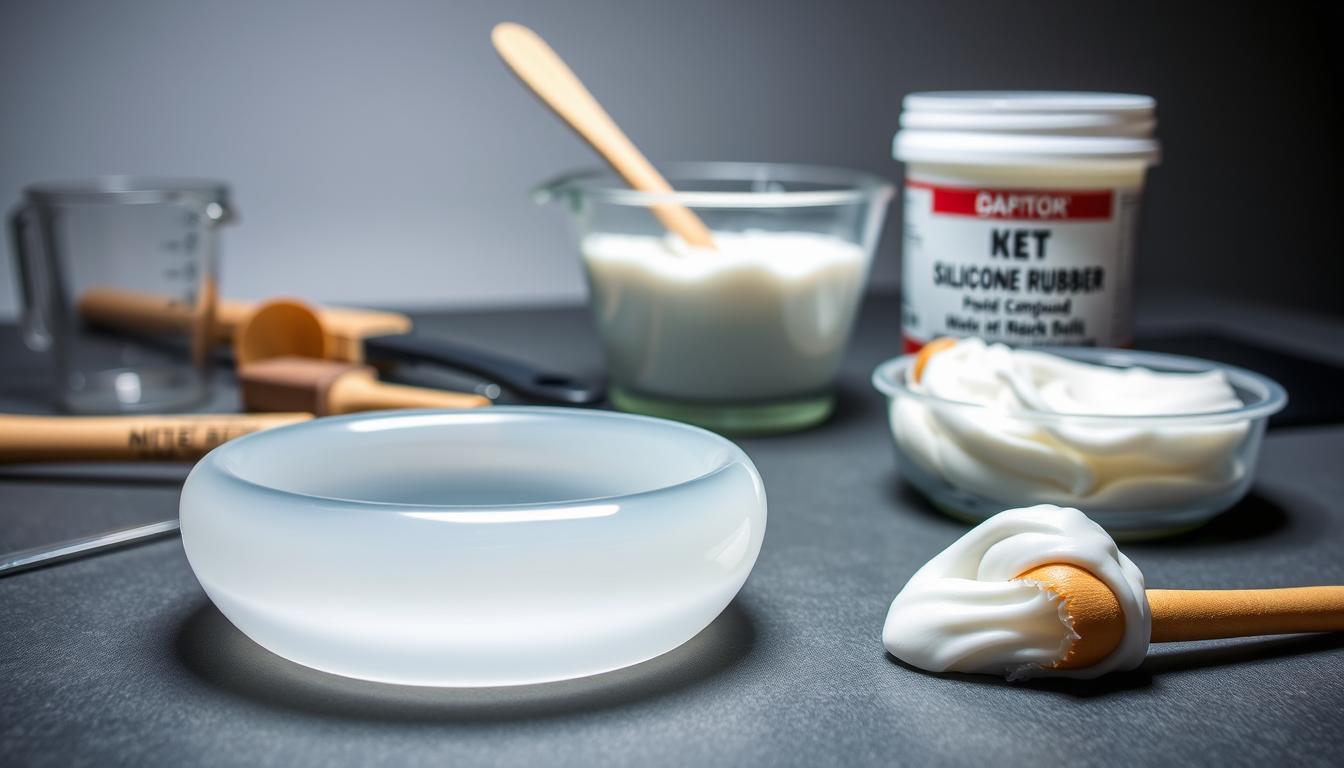
When choosing silicone, think about a few things. How flexible does it need to be? How long will it last? And does it handle heat and chemicals well?
Knowing about shore hardness is key when picking the right silicone for mold making. Shore hardness shows how well silicone can resist being pushed in. This affects how well it works and lasts in different uses.
Shore hardness is about how much a material can resist being pushed in. It's measured with a durometer. This test is important for figuring out how flexible and strong silicone is for mold making.
The hardness of a silicone affects its use in mold making. The right hardness makes sure the mold is strong enough for the casting process. It also needs to be flexible so the cast can come out easily.
Softer silicones (lower shore hardness) are great for detailed casts. Harder silicones (higher shore hardness) are better for tougher, less flexible needs. For more on the structure, processing, and applications of silicone materials, see Dow’s silicone elastomers processing guide, which explains how hardness affects mold performance.
The durometer scale is key in figuring out how hard silicone is. It helps decide if silicone is right for different uses. Durometer scales measure material hardness, making it easy to compare silicone products.
The Shore A scale is a top choice for checking silicone hardness. It works best for softer materials, from very soft (0 Shore A) to somewhat hard (100 Shore A). It's perfect for needs where being flexible is important.
Key characteristics of the Shore A scale include:
The Shore00 scale is for very soft silicone. It measures hardness in a lower range than Shore A. It's great for materials that are very soft and gel-like. The Shore00 scale is vital for needs where lots of flexibility and softness are needed.
The Shore00 scale is useful for:
While Shore A and Shore00 scales are common in the silicone world, others like Shore D exist for harder materials. Knowing about these scales is key for picking the right silicone for certain jobs.
Other relevant hardness scales include:
Knowing how to measure shore hardness is key for picking the right silicone for your project. It's a vital step in checking if silicone fits your needs.
Durometer testing is the top way to check shore hardness. A durometer is a tool that checks how hard materials are by seeing how much they bend. There are analog and digital durometers, each with its own level of accuracy and user-friendliness.
Understanding shore hardness readings is important. For silicone, the Shore A scale is often used. But, very soft materials might need the Shore 00 scale. Make sure the durometer matches the scale you're using.
Artists and makers without a durometer can use simple DIY tests. One way is to compare your material with known hardness levels using different materials.
| Material | Shore Hardness | Characteristics |
| Soft Silicone | Shore 00-10 | Very flexible, minimal resistance |
| Medium Silicone | Shore A-20 to A-30 | Flexible, some resistance |
| Hard Silicone | Shore A-50+ | Less flexible, significant resistance |
Knowing the shore hardness scale is key for picking the right silicone for mold-making. It shows the hardness levels of silicones, from very soft to very hard.
The shore hardness scale for silicones ranges from Shore 00-0 to Shore A-100. Ultra-soft silicones (Shore 00-10 to Shore A-10) are great for needing high flexibility and capturing fine details. At the other end, extra-hard silicones (Shore A-80 and above) are super durable and don't bend easily.
Using visual and tactile references helps understand hardness levels. For example, a soft silicone with a Shore A-10 hardness feels like a gel. A harder silicone with a Shore A-80 hardness is stiffer and firmer.
Comparing silicone hardness to everyday objects is also helpful. A silicone with a Shore A-30 hardness feels like a soft rubber eraser. A Shore A-60 hardness is like a firm rubber sole. These comparisons help pick the right silicone for your needs.
Soft silicones with a Shore hardness of 00-10 to A-10 are very useful. They are flexible and versatile for many uses. This makes them perfect for projects needing pliability and detail. A comparative study of RTV silicone mechanical properties published in Polymers explores how soft silicones perform in different casting conditions.
Soft silicones are very flexible and capture fine details well. They are also gentle on surfaces, which helps avoid damage. Plus, they have good tear resistance, making them durable.
These soft silicones are great for where flexibility and detail matter. They're used for making molds for prosthetics, special effects, and artistic sculptures. Their ability to shape to complex forms is very valuable.
While soft silicones have many benefits, they also have some downsides. They can bend under stress and may not keep their shape as well as harder ones. It's important to think about these points when choosing a silicone for your project.
For projects needing both flexibility and durability, medium silicones are perfect such as ArtMolds MoldRite 25. They are soft enough to capture details but also rigid to keep their shape. This makes them ideal for many uses.
Medium silicones are very versatile and adaptable. They have a moderate firmness that's great for projects needing both detail and strength. Their flexibility makes demolding complex shapes easy without damaging the cast or mold.
One big plus of medium silicones is their ability to give a good surface finish. They can capture fine details from the original model. This makes them perfect for both artistic and industrial uses.
Medium silicones are used in many ways, including:
They're great when you need a mold that's flexible but also strong enough for multiple uses.
While medium silicones have many benefits, they also have some downsides. They might not be as tough as harder silicones and can tear if stressed too much. They also might not capture details as well as softer silicones in very fine areas.
| Shore Hardness | Flexibility | Detail Capture | Durability |
| Shore A-10 | High | Excellent | Moderate |
| Shore A-20 | Moderate | Very Good | Good |
| Shore A-30 | Moderate to Low | Good | Very Good |
Knowing the properties and uses of medium silicones helps artists and manufacturers choose the right material for their projects.

Firm silicones have a Shore hardness between A-30 and A-50. They are flexible yet durable, making them great for many uses. These materials are perfect for mold-making and other industries because of their balanced properties.
Firm silicones are known for their excellent dimensional stability and resistance to deformation. They are flexible enough for easy demolding but also rigid to keep the mold's shape. This makes them ideal for capturing fine details and lasting through repeated use.
Firm silicones are perfect for when you need both flexibility and stiffness. They are great for:
They work well with complex designs and can handle high temperatures or pressures.
While firm silicones have many benefits, they also have some downsides. They can be harder to demold than softer silicones, which is a problem with undercuts or complex shapes. They also might not be as flexible as softer materials, which can limit their use in very elastic applications.
| Shore Hardness | Characteristics | Typical Applications |
| Shore A-30 | Flexible, yet firm | Mold-making, prototypes |
| Shore A-40 | Balanced flexibility and rigidity | Industrial molds, casting |
| Shore A-50 | Firm, durable | High-precision molds, demanding applications |
Hard silicones have a Shore hardness rating of A-50 and above. They are known for their durability and resistance to deformation. This makes them perfect for projects needing high rigidity.
Hard silicones have high tensile strength and excellent tear resistance. These qualities are great for molds that face heavy use or harsh conditions. They are also good at capturing fine details and keeping their shape over time.
Hard silicones have some downsides. Their rigidity can make demolding hard. They also might not work well for projects needing flexibility. It's important to think about these points when choosing hard silicones for a project.
In conclusion, hard silicones with Shore hardness levels above A-50 are versatile. They can be used in many demanding applications. Knowing their characteristics, benefits, and limitations helps users make the right choice.
Choosing the right silicone for your project is more than just looking at Shore hardness. You also need to check out different brands and what they offer. With so many silicone brands out there, each with its own strengths and products, picking the best one can be tough.
The market is full of various silicone brands, each catering to different needs and uses. Let's explore the world of professional-grade silicones, beginner-friendly options, and specialty silicones for specific tasks.
Professional-grade silicones are for high-end uses, promising top-notch quality and performance. Brands like Mold Star and Smooth-On are known for their amazing detail and durability. These silicones are great for fine art casting, special effects, and industrial applications where accuracy is key.
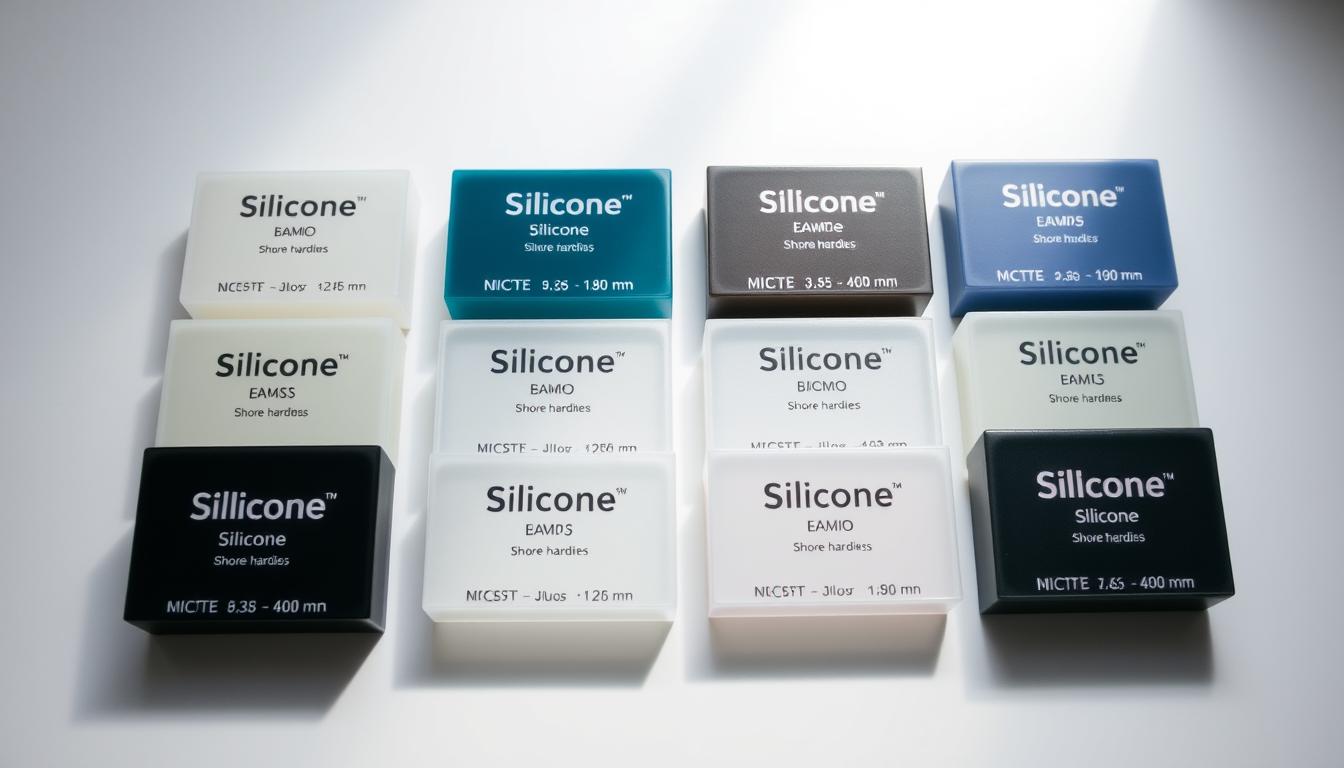
For newcomers to mold making, brands like EnvironMolds offer easy-to-use products. These silicones are ideal for crafting and DIY projects. They provide a smooth learning curve without sacrificing quality.
Some brands focus on silicones for specific uses. For example, translucent silicones are great for realistic skin effects in special effects makeup. Other specialty silicones are made for high-temperature resistance or food-grade safety, meeting various industrial and culinary needs.
By knowing the different silicone brands and their products, you can choose the best one for your project.
Recommended Hardness: Shore 00-10 to Shore A-20
Why: Extremely soft silicones conform to every detail and make demolding easy.
Use Case: Body casting, prosthetics, fine art, wax or soap molds
Recommended Hardness: Shore A-20 to A-40
Why: Balances flexibility with durability. Soft enough for undercuts, firm enough for repeated use.
Use Case: Resin crafts, architectural details, multipurpose mold making
Recommended Hardness: Shore A-40 to A-60+
Why: Higher hardness resists distortion under pressure or weight.
Use Case: Industrial molds, casting concrete, plastics, or large urethane parts
If your cast has deep undercuts or will be difficult to demold, go softer.
If you're using a vacuum chamber or pressure casting, you can go slightly firmer, since bubbles won’t be a problem.
| Use Case | Recommended Shore Hardness | Why It Works |
|---|---|---|
| Intricate detail / soft materials | Shore 00–10 to A-20 | Maximum flexibility and detail capture |
| General mold making | Shore A-20 to A-40 | Best all-around performance |
| Large or industrial parts | Shore A-40 to A-60+ | High durability and shape retention |
Silicone is used in many fields, from fine art to industrial design. Its flexibility and special properties make it a top choice for many industries.
Artists and sculptors often use silicone to make detailed molds. It's flexible and accurate, perfect for capturing complex details in sculptures.
In movies, silicone is key for making prosthetics and special effects. It looks real and lasts long, great for creating believable characters and creatures.
Silicone is also used in making prototypes and parts for products. It stands up well to heat and chemicals, making it a solid choice for many uses.
Jewelry makers and artisans use silicone for casting small, detailed designs. It captures fine details well, keeping delicate features intact in the final piece.
These examples show how silicone is used in many areas, from art to industry. Knowing its benefits helps professionals choose it for their projects.
Choosing the right shore hardness is key in mold-making. It impacts your product's quality. The correct hardness ensures your mold captures details well and stands up to casting.
Think about the material you'll cast into your mold. For hot materials or shrinking resins, a hard silicone is needed. It must handle stress without deforming.
For detailed projects, like fine art or jewelry, use a softer silicone. It captures small details better.
Choosing the right shore hardness means finding a balance. You need flexibility for easy removal and durability for many casts. Softer silicones are more flexible but less durable.
Choosing the right silicone for your mold making project is key. Shore hardness is important because it affects how durable, flexible, and detailed your mold can be.
We've looked at how shore hardness impacts silicone materials. Knowing the shore hardness scale and different silicones' properties helps you make a smart choice for your project.
Think about what your project needs when picking a silicone. Consider the casting medium, detail needs, and how flexible and durable it should be. Balancing these with the silicone's shore hardness ensures a great mold making experience.
Now, you're ready to pick the right silicone and understand shore hardness. This knowledge will help you reach your mold making goals more easily.
Leave a comment